
The thrill of online casinos can quickly turn sour if you stumble upon unfair gambling sites. It’s a digital wild west out there, and unfortunately, not every online casino operates with integrity. In fact, from personal experience investigating numerous online gambling platforms, it would be estimated that a significant percentage are employing tactics designed to cheat players.
The risks are real: financial losses, compromised personal data, and rigged game outcomes. This article will be a guide, taking you by the hand, through the essential elements that define a fair gambling environment. Legitimate casinos? They absolutely exist! This is about equipping you with the knowledge to find them, so you can focus on enjoying the games instead of worrying about getting scammed.
The Core Pillars of Fair Gambling
Fair gambling hinges on several core principles that ensure a level playing field for everyone. Without these pillars, the integrity of the game is compromised, and players are left vulnerable to exploitation.
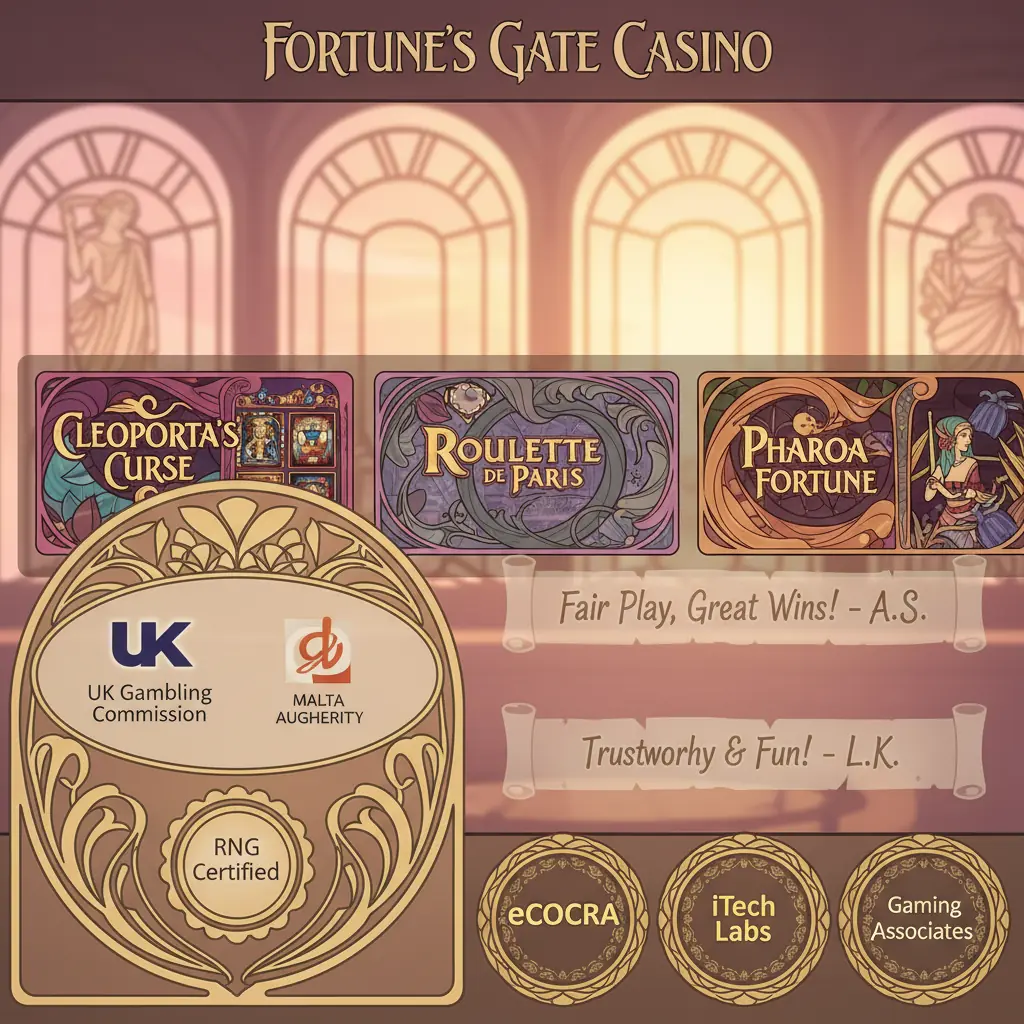
Licensing and Regulation: The first line of defense is proper licensing and regulation. Reputable gambling authorities, like the Malta Gaming Authority or the UK Gambling Commission, oversee operations, ensuring casinos adhere to strict standards of operation. This includes verifying the casino’s financial stability, the fairness of its games, and its commitment to responsible gambling.
Independent Audits and Testing: Fair gambling platforms regularly undergo scrutiny by independent auditing firms. These firms, like eCOGRA or iTech Labs, assess the casino’s software and systems to confirm that they are functioning as intended and that the games are truly random.
Random Number Generators (RNGs): At the heart of fair online gambling lies the Random Number Generator. The RNG is a sophisticated algorithm that produces truly random results for games like slots and roulette. Without a properly functioning and independently tested RNG, game outcomes could be predictable, favoring the house unfairly.
Return to Player (RTP) Percentages: The RTP is a theoretical calculation of how much money a game will return to players over a long period, expressed as a percentage. For example, a game with a 96% RTP will theoretically return $96 for every $100 wagered in the long run. A higher RTP benefits the player. It’s crucial for casinos to publish RTP percentages for their games.
Expected losses calculation:
Expected Losses = Total Amount Wagered x (1 - RTP)
For example if someone wagers $1000 on a game with 95% RTP the expected losses are:
$1000 x (1 - 0.95) = $50
Transparent Terms and Conditions: Fair casinos operate with complete transparency. The terms and conditions of bonuses, promotions, and wagering requirements must be clearly stated and easily accessible. Hidden clauses and unfair restrictions are a red flag.
Security Measures: Protecting players’ personal and financial information is paramount. Fair gambling sites implement robust security measures, including SSL encryption, to safeguard data from unauthorized access.
Responsible Gambling Resources: A commitment to responsible gambling is a hallmark of a fair operator. This includes providing resources and tools to help players manage their gambling habits, such as self-exclusion programs, deposit limits, and links to support organizations.
Spotting Red Flags: Unfair Practices to Avoid
Navigating the world of online casinos can be exciting, but it’s crucial to stay vigilant and recognize the warning signs of unfair practices. Falling victim to these schemes can turn what should be a fun pastime into a frustrating and financially damaging experience. Identifying potential problems early on can save a lot of headaches down the road. Here’s what to look out for.
Decoding Bonus Traps
Enticing bonus offers are a staple of online casinos, but they often come with hidden strings attached. The most common trap is excessively high wagering requirements. This means you have to bet your bonus amount (and sometimes your deposit too) a certain number of times before you can withdraw any winnings. For example, a bonus with a 40x wagering requirement means you have to bet 40 times the bonus amount before cashing out. These requirements can be nearly impossible to meet, effectively locking your money. Look for bonuses with wagering requirements of 30x or lower. Favor casinos offering transparent bonus terms and realistic withdrawal conditions. When in doubt, skip the bonus altogether. Sometimes, playing with your own money without the constraints of a bonus offers better odds of actually seeing a return.
Dodging Payout Problems
One of the most infuriating experiences is winning, only to have your payout delayed or denied. While legitimate delays can occur due to KYC (Know Your Customer) procedures verifying your identity, prolonged or unjustified delays are a major red flag. This can involve casinos inventing reasons to avoid paying, such as claiming violations of obscure terms or simply ignoring your requests. If you’ve provided all the required documentation and the casino is unresponsive or continues to stall, it’s time to be suspicious. Persistently document all communication and consider filing a complaint with a gambling authority or consumer protection agency. From personal experience, a casino that makes payouts difficult is rarely worth the hassle, no matter how attractive the games may seem.

Decoding Licensing and Regulation
Navigating the world of online casinos requires understanding the crucial role of licensing and regulation. Think of an online casino license as its official stamp of approval, guaranteeing it adheres to a strict code that protects players. Without a valid license, an online casino operates in a gray area, and playing there comes with considerable risk.
Verifying Licensing Information: A Step-by-Step Guide
Fortunately, checking an online casino’s licensing information is usually straightforward. Look for the licensing badge, typically displayed in the website’s footer. It often features the logo of the regulatory body. Click this logo to be redirected to the regulator’s official website where you can confirm the license’s validity, scope, and status. If the casino really has stated their license, you will find it there. If there is no redirect or information, that’s a red flag.
Understanding Regulatory Bodies
Several prestigious regulatory bodies oversee the online gambling industry. The UK Gambling Commission is known for its rigorous standards and player protection measures. The Malta Gaming Authority (MGA) is another well-respected regulator. Each authority has its requirements for licensees, impacting everything from game fairness to responsible gambling protocols.
Why Licensed Casinos Matter
Playing at licensed casinos is not just a suggestion; it is a necessity. Licensed casinos are audited regularly, ensuring their games are fair, and their financial transactions are secure. They also have responsible gambling measures in place, offering tools for players to manage their spending and gaming habits. Licensing ensures you have recourse if any disputes arise and guarantees your funds are protected. Remember, a valid license is your shield in the online casino world.
Understanding Random Number Generators (RNGs) and RTP
Ever wondered how casinos ensure fairness in their games? The answer lies in Random Number Generators (RNGs) and Return to Player (RTP) percentages. These two concepts are the cornerstones of trust in the gaming world.
Think of an RNG as a sophisticated dice roller. Instead of physical dice, it uses complex algorithms to produce unpredictable sequences of numbers. Each number corresponds to a specific outcome in a game – a card dealt, a symbol on a slot machine, or a ball landing on a roulette wheel. The beauty of an RNG is its unpredictability. Every outcome is independent, meaning past results don’t influence future ones. This ensures every game is truly a fresh start.
Now, let’s talk about RTP. This is the percentage of wagered money a game is expected to return to players over a long period. For example, a game with a 95% RTP is designed to return $95 for every $100 wageredover the long run*. It’s crucial to remember that this is a theoretical average, not a guarantee for each individual session. A player might win big or lose it all, but the RTP reflects the game’s overall payout tendency.
To further enhance fairness, independent testing labs rigorously verify and test RNGs and RTPs. These labs put games through millions of simulated rounds, ensuring compliance with strict standards. This testing involves evaluating the randomness of the RNG output and confirming that the actual RTP aligns with the advertised percentage. This verification process provides players with confidence that the games they are playing are both fair and transparent. It’s like having a referee constantly checking the game to make sure everything is above board.
Verify Casino Reputation
Before diving into the world of online casinos, it’s crucial to pause and assess their reputation. Think of it as checking the Yelp reviews before trying a new restaurant – you want to ensure others have had a positive experience.
Casino reviews and industry ratings offer a glimpse into the reliability and fairness of an online casino site. Actively seek out player feedback through online forums and dedicated review sites. However, approach these resources with a critical eye. Some reviews might be biased, either overly positive or unfairly negative. Look for patterns and recurring themes in what people are saying. Are there consistent complaints about payout delays? Are players generally satisfied with the customer support? This kind of analysis will help you form a more balanced overview of the online casino’s true reputation.
The Role of Responsible Gambling Tools
Responsible gambling tools are paramount to ensure fairness and player well-being in the online casino landscape. The presence and promotion of these resources often signal a casino’s commitment to providing a safe and ethical environment.
Casinos prioritizing fairness understand the potential risks associated with gambling and implement measures to protect their players. A key tool is the implementation of deposit limits, which allow players to control the amount of money they spend over a specific period. This helps prevent excessive spending and allows players to stay within their financial means.
Self-exclusion options are another critical component of responsible gambling. These options enable players to voluntarily ban themselves from a casino, if they feel their gambling habits are becoming problematic. This measure provides a crucial safety net for individuals struggling with gambling addiction.
By offering responsible gambling tools, online casinos demonstrate their dedication to player welfare beyond profit. These tools contribute to a more positive and sustainable gambling experience. Fair casinos recognize their responsibility and take proactive steps to minimize potential risks, fostering trust and transparency with their players.
Actionable Steps: A Checklist for Identifying Fair Sites
Choosing a fair online casino doesn’t have to be a gamble in itself. Use this quick checklist to evaluate potential platforms and ensure a secure and enjoyable gaming experience:
- Verify Licensing: Confirm the casino holds a valid license from a recognized regulatory body. This ensures adherence to strict operational standards. Check ‘Understanding Casino Licenses’ section for more details.
- Examine RNG Certification: Look for proof of independent testing of the casino’s Random Number Generator (RNG). This guarantees that game outcomes are truly random and unbiased, as discussed in the ‘The Importance of Random Number Generators’ section.
- Read the Terms and Conditions: Scrutinize the fine print, paying close attention to bonus terms, wagering requirements, and withdrawal policies. Any red flags here should be carefully considered as described in the ‘Decoding Casino Terms and Conditions’ portion.
- Check for Security Measures: Ensure the casino employs robust security protocols, such as SSL encryption, to protect your personal and financial data. Check the ‘How to Check a Casino Security’ part of this article.
- Seek Player Reviews: Research the casino’s reputation by reading reviews from other players. While not always definitive, a pattern of complaints can be a warning sign. Read ‘Trustpilot and Reddit reviews’ to understand more about existing player experiences.
Conclusion
Navigating the world of online casinos can feel like traversing a minefield, but with the right knowledge, you can significantly improve your odds. Remember, fair gambling hinges on transparency, licensing, and a commitment from the casino to treat its players fairly. We’ve armed you with the tools to investigate a casino’s reputation, understand its terms, and spot potential red flags before you risk a single penny.
Online casino safety is not just about winning; it’s about ensuring a level playing field and protecting yourself from scams. Responsible gambling starts with due diligence. Don’t just jump into the first flashy site you see. Take the time to research, compare, and understand what you’re getting into.
Now that you’re equipped to make informed decisions, share this article with your fellow gamblers. Let’s work together to promote fair gambling practices and create a safer, more enjoyable online casino environment for everyone. After all, a well-informed player is a protected player.