
The world feels different after loss. The familiar landscape of your life suddenly reshaped by grief. It’s a heavy weight, a constant ache, and the search for moments of peace can feel like an impossible task. But even in the depths of sorrow, calm is not unattainable. It exists, waiting to be discovered amidst the pain.
This isn’t about erasing grief – that’s neither possible nor healthy. Instead, this exploration focuses on practical strategies to navigate the complex emotions of loss, fostering emotional resilience and well-being in the face of immense change. It is about finding ways to cope with the days when the pain is too much to bear.
It is possible to find strength even when it seems like there is none. It’s possible to smile at memories and see them as a gift, not a source of sadness.
If you’re ready to explore these strategies and begin your journey toward finding calm amidst the storm, continue reading. There is hope, and there is a path forward.
Understanding Grief and Loss
Grief is a powerful and multifaceted response to loss. It’s often associated with death, but it can arise from any significant life change or ending – the loss of a job, the end of a relationship, a major move, or even a shift in one’s health. It’s a natural and normal part of the human experience, and it’s important to acknowledge its validity.
One of the most pervasive misconceptions about grief is the idea of distinct ‘stages’ that must be experienced in a specific order. You may have heard them mentioned as denial, anger, bargaining, depression, and acceptance. While these feelings are commonly experienced during bereavement, grief isn’t a neat, linear progression through these stages. Instead, grieving individuals might experience a swirl of different feelings. They may revisit some of these feelings, and others might not experience them at all. The emotional reality of grief is very different for each person navigating loss, and that needs to be honored.
The grieving process is intensely personal and unpredictable. There is no right or wrong way to grieve; no set timeline to follow. Some may find solace in routines and keeping busy, while others could feel a profound lack of energy and motivation. The individual map is unique. Some days may be filled with sadness, while others might bring moments of peace or even joy. It’s also common to experience a wide range of emotions during bereavement, including anger, confusion, guilt, relief, or numbness. Validating this incredible range of emotions, and allowing space for them, is vital. Give yourself permission to feel what you feel, and know that there is support available if you need it.

Immediate Coping Strategies
When grief hits hard, the intensity of emotions can feel overwhelming. It’s crucial to have immediate coping strategies at your fingertips to navigate those initial waves of sorrow. These techniques focus on grounding you in the present moment and offering a sense of calm amidst the storm.
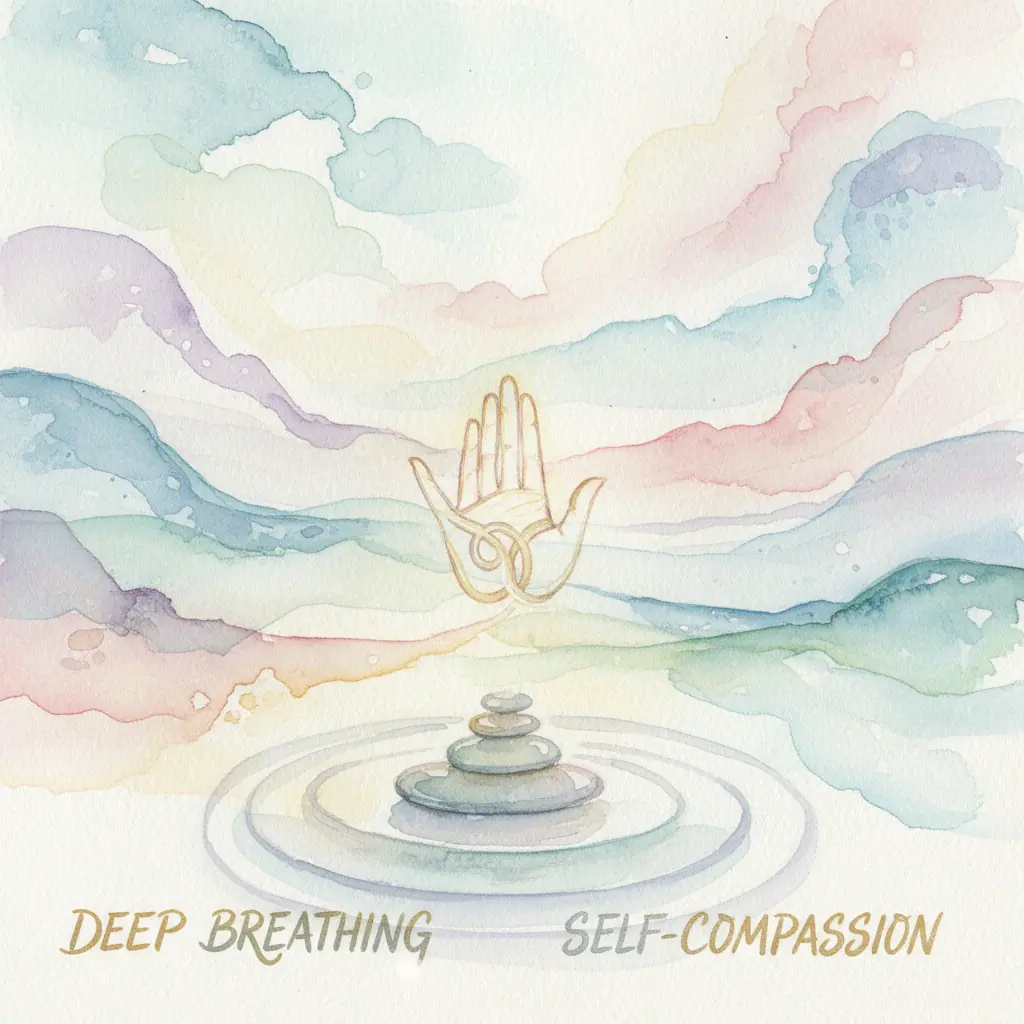
Deep Breathing Exercises: The 4-7-8 technique is a simple yet powerful tool for anxiety relief and emotional regulation. To practice it, exhale completely through your mouth, making a whooshing sound. Then, close your mouth and inhale quietly through your nose for a count of four. Hold your breath for a count of seven. Finally, exhale completely through your mouth for a count of eight. Repeat this cycle at least four times. This breathing pattern helps to slow your heart rate and calm your nervous system.
Mindful Observation of Senses: The 5-4-3-2-1 technique is another grounding exercise that brings you back to the present. Start by identifying five things you can see around you. Next, acknowledge four things you can touch. Then, listen for three things you can hear. After that, identify two things you can smell. Finally, name one thing you can taste. This exercise anchors you in your surroundings, diverting your attention from distressing thoughts and feelings.
Progressive Muscle Relaxation: This technique involves tensing and releasing different muscle groups in your body. Find a comfortable position, either sitting or lying down. Start with your toes, tensing them tightly for a few seconds, then releasing. Work your way up your body, tensing and releasing the muscles in your feet, calves, thighs, abdomen, chest, arms, hands, shoulders, neck, and face. As you release each muscle group, notice the feeling of relaxation. This can help relieve physical tension that often accompanies grief.
Create a Calming Environment: Surround yourself with sensory input that promotes relaxation. This might include soft lighting, calming music, a comforting scent like lavender, or a warm blanket. Engage your senses in ways that soothe you.
Remember to be gentle with yourself during this difficult time. Self-compassion is key. It’s vital to pay attention to basic self-care: prioritize proper nutrition and ensure you’re getting enough rest. When grief consumes you, maintaining healthy habits can seem impossible, but fueling your body and mind is important. Mindfulness, be it through meditation or simply paying attention to sensations without judgement, can help you stay present rather than getting lost in cycles of rumination. Acknowledge your pain, allow yourself to feel the emotions that arise, and remember that it’s okay to not be okay. Seeking support from friends, family, or a professional is a sign of strength, not weakness.
Long-Term Strategies for Emotional Well-being
True emotional well-being isn’t a quick fix; it’s a journey built on consistent practices. Think of it as tending a garden – regular care yields lasting results. The following strategies are designed to foster healing and build resilience over time.
Cultivating Mindfulness
Mindfulness is about being present, observing your thoughts and feelings without getting swept away. It’s like watching clouds drift by – you notice them, but you don’t chase them. One simple exercise is mindful breathing. Find a quiet space, close your eyes, and focus on the sensation of your breath entering and leaving your body. When your mind wanders, gently guide it back to your breath. Another helpful practice is a body scan. Slowly bring your attention to different parts of your body, noticing any sensations without judgment. Mindfulness helps you create space between your reactions and your emotions, giving you more control.
Practicing Self-Compassion
Often, we are our own harshest critics. Self-compassion flips that script. It means treating yourself with the same kindness and understanding you would offer a dear friend. Especially during difficult times, practice self-compassionate self-talk. If you’re feeling overwhelmed, instead of berating yourself, try saying, “This is a tough situation, and it’s okay to feel this way. I’m doing the best I can.” Acknowledge your suffering, recognize that you’re not alone in experiencing these feelings, and offer yourself gentle support.
Establishing a New Routine
Grief can throw your world into chaos. Establishing a new routine provides a sense of stability and structure. It doesn’t have to be rigid, but having some predictable elements in your day can be grounding. Incorporate activities you enjoy, such as exercise, hobbies, or spending time in nature. Physical activity is beneficial for both physical and mental health, releasing endorphins that can improve your mood. Social activities, even something as simple as a weekly coffee date with a friend, can combat feelings of isolation.
Connecting with Others
Social support is a cornerstone of emotional well-being. Reaching out to loved ones can provide comfort and a sense of belonging. It’s okay to lean on others during difficult times. If you’re hesitant to reach out, remind yourself that your loved ones likely want to support you. Sharing your experiences in community helps to create more profound relationships with others. Consider journaling or other introspective practices.
The Long Game
Healing from loss is not linear. There will be ups and downs, good days and bad days. Grief doesn’t have a set timeline. Be patient with yourself and allow yourself the time you need to heal. Remember that these long-term strategies are not about “getting over” your loss, but about learning to live with it and building a resilient foundation for your emotional well-being. It’s a marathon, not a sprint.
Seeking Professional Support
Navigating grief is a deeply personal journey, and sometimes, the path feels overwhelming. It’s okay to acknowledge when you need extra support, and seeking professional help through therapy or counseling is a sign of strength, not weakness. Unfortunately, a stigma can surround mental health care, making it difficult for some to reach out. However, remember that grief is a complex emotion, and enlisting skilled guidance can make a significant difference in your healing process.
Therapy and counseling offer a safe and confidential space to process the complex emotions associated with loss. A trained therapist can provide you with effective coping strategies, help you understand your grief response, and address any unhealthy coping mechanisms that might be hindering your progress. They can teach you valuable tools for managing anxiety, depression, or other mental health challenges that may arise during bereavement.
Several types of therapy can be particularly beneficial for those experiencing grief. Grief counseling specifically addresses the unique challenges of loss, while cognitive behavioral therapy (CBT) can help you identify and change negative thought patterns that contribute to emotional distress. Other approaches, such as group therapy and support groups, can provide a sense of community and shared experience, reminding you that you’re not alone in your journey.
Finding the right mental health professional is essential. Online directories and mental health websites can help you locate therapists and counselors in your area. Do not hesitate to inquire about their experience with grief and what therapy to follow. Remember that seeking professional support is an investment in your emotional well-being, empowering you to navigate grief with resilience and find a path toward healing.
Practical Advice From Experts
Navigating grief can feel like traversing a dense fog, but expert guidance can illuminate the path forward. Drawing upon the insights of psychologists and grief counselors, we’ve compiled practical advice to help you cope with loss.
One crucial aspect, highlighted by experts, is acknowledging the uniqueness of your grief. There’s no prescribed timeline or “right” way to grieve. Allow yourself to feel what you feel, without judgment. As grief counselors often advise, resisting emotions can prolong the healing process. Acceptance is the first step.
Furthermore, seeking support is paramount. Grief counselors emphasize the importance of connecting with others, whether it’s family, friends, or a support group. Sharing your feelings and experiences can provide a sense of validation and reduce feelings of isolation. Cognitive Behavioral Therapy (CBT) techniques can also be incredibly beneficial, helping you identify and challenge negative thought patterns that may be exacerbating your grief.
Self-care is another vital component. Psychologists often recommend prioritizing activities that promote well-being, such as exercise, healthy eating, and adequate sleep. Engaging in hobbies or activities you enjoy can provide a much-needed distraction and a sense of normalcy during a difficult time.
Remember, healing from grief is a journey, not a destination. Be patient with yourself, and allow yourself the time and space you need to heal. Seeking professional guidance from a therapist or grief counselor can provide invaluable support and tools for navigating this challenging experience. By incorporating these tips from psychologists and grief counselors, you can begin to navigate your grief with greater resilience and self-compassion.
Conclusion
Navigating grief is a deeply personal journey, unique to each individual. The path to healing may feel winding and uncertain, but remember that effective coping strategies exist. From mindfulness exercises and creative expression to seeking support from loved ones or professionals, resources are available to help you navigate these challenging emotions.
Just as I found strength in unexpected places after my own loss, you too possess an inner resilience waiting to be awakened. Healing is not about forgetting, but about integrating loss into your life in a way that allows you to move forward with hope and purpose. Be patient with yourself, allow yourself to feel, and remember that progress is not always linear.
Take that first step. Whether it’s practicing a simple breathing exercise, reaching out to a trusted friend, or exploring professional counseling, know that you are not alone and that healing is possible. Embrace your strength and begin your journey towards a brighter tomorrow.